
Mesobotox for full face (korean)
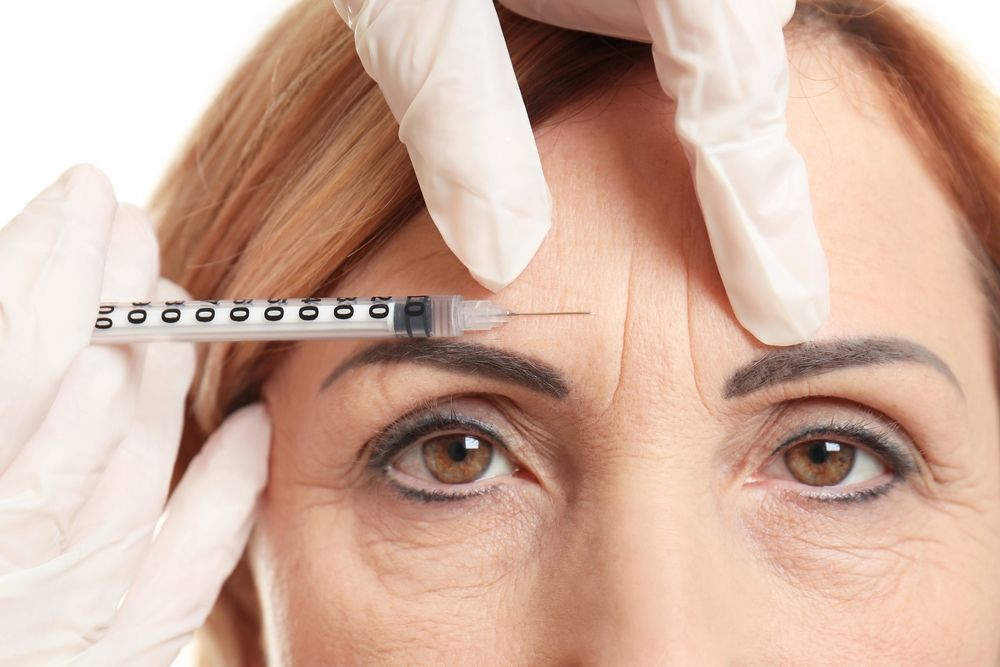
A micro-injection technique using Botox across the full face to smooth fine lines and improve skin texture, offering a natural, refreshed appearance.
1 sessionBDT 10,000
Schedule a consultation at SKINN today and consult with our certified dermatologists to receive personalized, evidence-based care tailored to your specific dermatological needs.
What is Mesobotox for full face (korean)
Mesobotox is a technique that uses diluted Botox injected superficially into the skin to reduce fine lines, improve skin texture, and minimize pores. This treatment is ideal for individuals looking to achieve a more refined and youthful appearance without freezing facial expressions. Up to 50 units of Botox can be used to cover the full face.
This treatment is ideal for individuals seeking a softer, more radiant appearance with subtle wrinkle reduction.
Things you should know before the treatment
Before undergoing Botox for migraine management, consider the following:
- Consultation: A consultation with a neurologist or migraine specialist is necessary to determine if Botox is the right treatment for your condition.
- Avoid Anti-inflammatory Medications: Refrain from using anti-inflammatory medications a week before the procedure to reduce the risk of bruising.
What happens during the treatment
During the treatment, expect the following:
- Injection Process: Botox is injected into multiple areas around the head and neck, including the forehead, temples, and back of the neck.
- Sensations: You may feel slight discomfort during the injections, but numbing cream can be applied to minimize pain.
- Duration: The procedure typically lasts 20 to 30 minutes.
Recovery and results: What to expect
After your Botox for migraine pain management, here’s what to expect:
- Minimal Downtime: You can return to your regular activities immediately after the procedure.
- Reduction in Migraine Frequency: Most patients experience a reduction in the number of migraines within 1 to 2 weeks of treatment.
- Long-Lasting Relief: Results typically last for 3 months, with follow-up treatments recommended for continued relief.